

Using Temporary Protective Film for Automotive Glass and Display Panels
In today’s automotive industry, vehicles are no longer just mechanical systems-they are integrated digital platforms with advanced glass technologies and high-resolution display panels.
From windshields embedded with sensors to large infotainment screens, these components are both expensive and vulnerable.
Temporary protective films have emerged as a practical and cost-effective solution to extend the lifespan, safety, and performance of these critical surfaces.
1. The Growing Importance of Temporary Surface Protection in Vehicles
Modern vehicles rely heavily on glass and display interfaces. Windshields now support Advanced Driver Assistance Systems (ADAS), while dashboard displays control navigation, climate, and entertainment. Damage to these surfaces-whether from road debris, UV exposure, or daily wear-can result in costly repairs and compromised functionality.
Temporary protective films act as a transparent barrier, preserving both the structural integrity and visual quality of these components. For automotive manufacturers and aftermarket users alike, they represent a proactive approach to maintenance rather than a reactive one.
2. Protective Film for Automotive Glass
2.1 What Is Automotive Glass Protective Film?
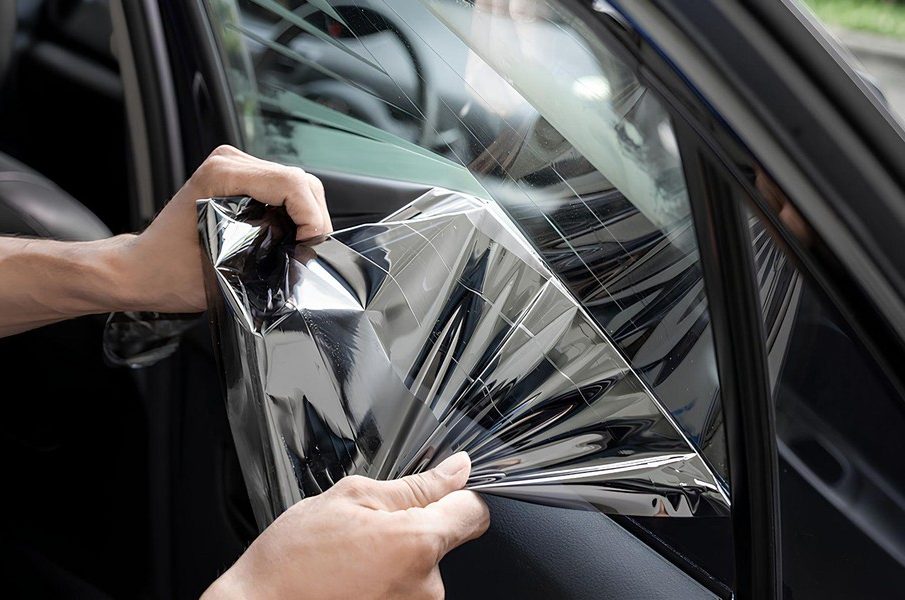
Automotive glass protective film-commonly applied to windshields-is a multi-layer, optically clear PE protective films designed to absorb impacts and resist environmental damage. It typically includes an adhesive layer, an impact-absorbing layer, and a durable top coating.
2.2 Key Benefits
Impact Resistance and Damage Prevention
Road debris such as gravel or small stones is a leading cause of windshield chips and cracks. Protective films help absorb and distribute impact forces, minimizing the risk of surface damage.
Cost Savings
Windshield replacement can cost hundreds to thousands of dollars, especially in vehicles equipped with ADAS systems. Protective films help avoid these expenses by preventing damage in the first place.
Enhanced Safety and Visibility
Premium films preserve excellent optical clarity without affecting visibility. Some even feature hydrophobic properties that improve visibility in rain by allowing water to bead and roll off quickly.
UV Protection
Many films can block up to 99% of harmful UV radiation, safeguarding passengers and preventing interior materials-such as dashboards and upholstery-from fading or deterioration.
Support for Advanced Systems
By preventing cracks and chips, protective films help maintain the accuracy of sensors and cameras embedded in or behind the windshield-critical for modern safety systems.
3. Temporary Protective Film for Automotive Display Panels
3.1 Why Display Protection Matters
Automotive display panels are increasingly large, touch-sensitive, and central to the driving experience. These screens are prone to scratches, fingerprints, glare, and wear from constant interaction.
Unlike smartphones, replacing automotive displays is far more expensive and complex, often requiring integration with vehicle systems.
3.2 Key Benefits
Scratch and Wear Resistance
Temporary protective films shield screens from scratches caused by fingernails, dust particles, or accidental contact. This is especially important for high-gloss displays.
Reduced Fingerprints and Smudges
Anti-fingerprint coatings help maintain screen clarity and reduce cleaning frequency, improving user experience.
Anti-Glare Performance
Certain films reduce glare and reflections, enhancing visibility under bright sunlight and improving driving safety.
Ease of Maintenance
Protective films are easier to clean than bare screens and can be replaced when worn, preserving the original display underneath.
Preservation of Display Quality
By preventing micro-abrasions and coating degradation, films help maintain long-term screen clarity and responsiveness.
4. Material and Technology Considerations
Protective films for automotive applications are typically made from advanced materials such as thermoplastic polyurethane (TPU), polyethylene terephthalate (PET) or multi-layer optical polymers. These materials provide:
- High transparency for undistorted viewing
- Elasticity for impact absorption
- Self-healing properties (in some films) to recover from minor scratches
- Strong adhesion without residue upon removal
For display panels, PET protective films may include additional functional coatings such as anti-glare, oleophobic (anti-fingerprint), or matte finishes.
5. Installation and Maintenance
Professional installation is recommended, particularly for curved windshields, to ensure proper alignment and avoid bubbles or distortions. Display panel films, on the other hand, can often be installed using pre-cut kits.
Maintenance is straightforward:
Most automotive glass films last 18-24 months depending on driving conditions, while display films can last longer due to reduced exposure to external elements.
6. Limitations and Considerations
Despite their advantages, temporary protective films are not completely resistant to damage. They:
- Do not prevent damage from severe impacts
- May require periodic replacement
- Depend on proper installation for optimal performance
Additionally, for display panels, some argue that modern screens already include protective coatings, making films optional depending on usage habits.


