

How Modern Technology Is Changing Diesel Engine Management
Introduction
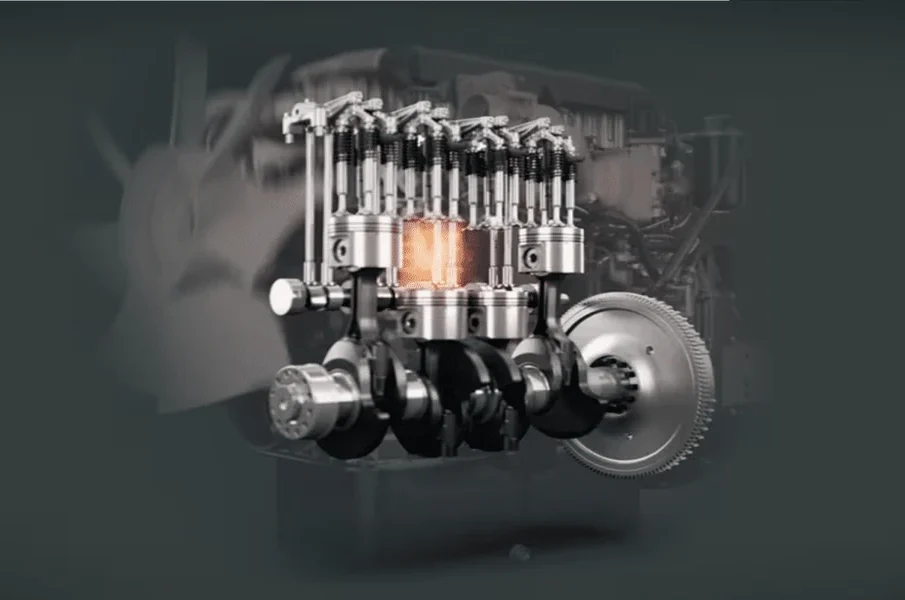
Modern technology has changed the way diesel engines are designed, operated, and maintained. Older diesel engines relied more on mechanical systems and manual adjustments, while modern engines use electronic controls, sensors, and computer-based systems. These technologies help engines operate more efficiently, reduce emissions, improve performance, and make maintenance easier. As technology continues to develop, diesel engine management is becoming more accurate and responsive.
This shift toward digital oversight has transformed every aspect of powertrain design, replacing purely mechanical linkage with intelligent software. By taking advantage of modern diesel engine technology, contemporary engine management systems can process thousands of data points per second to balance power output, fuel economy, and environmental compliance seamlessly.
Electronic Engine Control
One of the biggest changes in diesel engine management is the use of electronic control systems. These systems collect information from different parts of the engine and use it to control important functions.
The engine control unit can process information about temperature, pressure, engine speed, and other operating conditions. Based on this information, it can adjust fuel delivery and other engine functions. This allows the engine to respond more effectively to changing conditions.
Advanced Fuel Management
Modern diesel engines use advanced fuel injection systems to control how much fuel enters the engine and when it is injected. Precise fuel control helps improve combustion and can reduce unnecessary fuel consumption.
Electronic systems can make very small adjustments to fuel delivery based on engine load and speed. This helps the engine produce the required power while using fuel more efficiently.
Improved Emission Control
Environmental requirements have also influenced the development of diesel engine technology. Modern engines use different systems to reduce harmful emissions from exhaust gases.
Sensors can monitor exhaust conditions and provide information to the engine management system. The system can then adjust engine operation or work with emission control equipment to help reduce pollutants. These technologies are important for meeting increasingly strict emission standards.
Real-Time Monitoring
Sensors are now an important part of modern diesel engines. They continuously monitor different engine conditions and send information to the control system.
This real-time information can help identify unusual operating conditions. If a problem is detected, the system may display a warning or store a diagnostic code. This gives technicians useful information when checking the engine.
Easier Maintenance and Diagnostics
Modern diagnostic technology has made engine maintenance more efficient. Technicians can use diagnostic equipment to read stored fault codes and examine information from different sensors.
Instead of relying only on visual inspection, technicians can use electronic data to understand where a problem may be occurring. This can reduce the time needed to identify certain faults and support more accurate repairs.
Connected and Smart Technology
Newer diesel engines are also becoming more connected. Data from engine management systems can be collected and analysed to monitor performance over time. In some applications, this information can support preventive maintenance by identifying changes in engine operation.
This approach can help operators plan maintenance before minor issues become larger problems. It can also provide useful information about fuel use, engine performance, and operating conditions.
Conclusion
Modern technology has transformed diesel engine management through electronic controls, advanced fuel systems, sensors, diagnostics, and connected monitoring. These developments help improve engine efficiency, performance, reliability, and emission control.


