

Car Traction Control Module Testing in Certified Repair Facilities
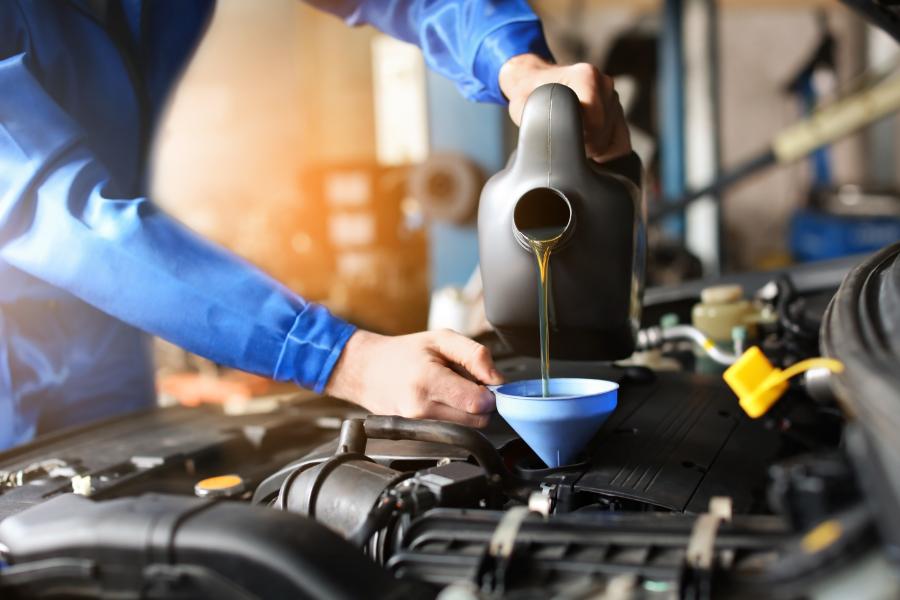
Modern vehicles rely on advanced safety systems to maintain stability during difficult driving conditions. The traction control module acts as the brain for these critical operations. This electronic component monitors wheel speed to prevent dangerous slipping on wet or icy roads. Proper testing ensures that every sensor communicates correctly with the onboard computer. Certified facilities provide the specialized equipment needed for these complex diagnostics. Maintaining this system protects passengers and extends the life of the tires.
Advanced Diagnostic Tools for Modules
Technicians at Thoroughbred Auto Care Service use professional scanners to communicate with your vehicle. These tools read specific error codes stored within the computer memory. Sometimes a simple warning light indicates a very deep electronic failure. The diagnostic process begins with a full system scan to identify hidden faults. Now the technician reviews real-time data from each individual wheel sensor. This data shows exactly how the module reacts to changing road surfaces. Clear communication between parts is essential for the safety of the driver.
Testing Procedures for Sensor Accuracy
The physical inspection of wiring harnesses follows the initial digital scan. Technicians look for frayed wires or corroded connectors near the wheel wells. Road salt and debris often cause damage to these sensitive electrical paths. But a visual check is only the first step in the process. Digital multimeters measure the resistance across the circuits to find breaks. Accurate readings confirm that the module receives clean signals from the hardware. Thoroughbred Auto Care Service employs experts who understand these delicate electrical relationships.
Hydraulic Control Unit Evaluation
The traction control system works closely with the anti lock brake pump. Testing must include the hydraulic valves that apply pressure to spinning wheels. A faulty valve can prevent the system from engaging when you need it. So the mechanic performs a bi-directional test to trigger the pump manually. This action verifies that the fluid moves through the lines without any restriction. Specialized software allows the technician to cycle each valve independently for total accuracy. Proper hydraulic function keeps the car straight during sudden emergency maneuvers.
Software Calibration and Updates
Sometimes the hardware is perfect but the internal software requires a fresh update. Manufacturers release patches to improve the logic of the control module. These updates fix glitches that might cause phantom activations of the brakes. The team at Thoroughbred Auto Care Service installs the latest firmware to ensure peak performance. This step requires a stable power supply to prevent data corruption during the flash. You will notice smoother intervention from the system after a proper calibration. Modern Auto Repair in Laurel, MD demands this level of technical precision for every vehicle.


